What exists today?
Zone rules, responsible institutions, procedures and data, and which of them are digital.
Special economic zones and free zones
Why this assessment
A zone works for investors when its procedures are clear and predictable. The assessment records what zone developers, operators and businesses find hardest, and what the responsible authorities want to fix first. Any cooperation then starts from that evidence, not from a ready-made solution.
A business in a zone deals with two kinds of procedures. Zone procedures: authorisation of developers and operators, admission of businesses, zone permits, renewals and reports. Procedures of other authorities: company registration, tax, customs, work permits, construction and environment. The investor needs to know where to go, what to provide, how long it takes and who decides.
The same procedures give the zone authority its data: applications received, time taken for each one, and where they stall. These figures show how the zones perform and which rules need attention.
What the needs assessment covers
Zone rules, responsible institutions, procedures and data, and which of them are digital.
The main difficulties for zone developers, operators and businesses, and the priorities for improvement.
Reforms, initiatives and partnerships at work, to build on rather than duplicate.
After the assessment
The assessment does not prescribe a solution. Depending on the needs found, cooperation could cover four areas. If services go online, the order is: document, simplify, then put online. A procedure put online without simplification keeps its delays.
Document each zone procedure from the investor’s side: steps, documents, costs, times, legal basis and responsible office, kept up to date by that office.
Remove steps and requirements that no longer serve a clear purpose, and make clear which office acts at each step, inside and outside the zone.
Put priority zone services online once they are simplified, for example the authorisation of developers and operators, the admission of businesses and zone permits, with one entry point. UNCTAD’s eRegistrations platform is one option among others.
Clarify how a zone rule is applied, review a rule that slows a service down, or draft a rule where one is missing.
In practice
One working example for each area, from another country or from UNCTAD guidance. Each one shows what the result looks like. None of them is a plan for Saint Lucia.
1 Transparency
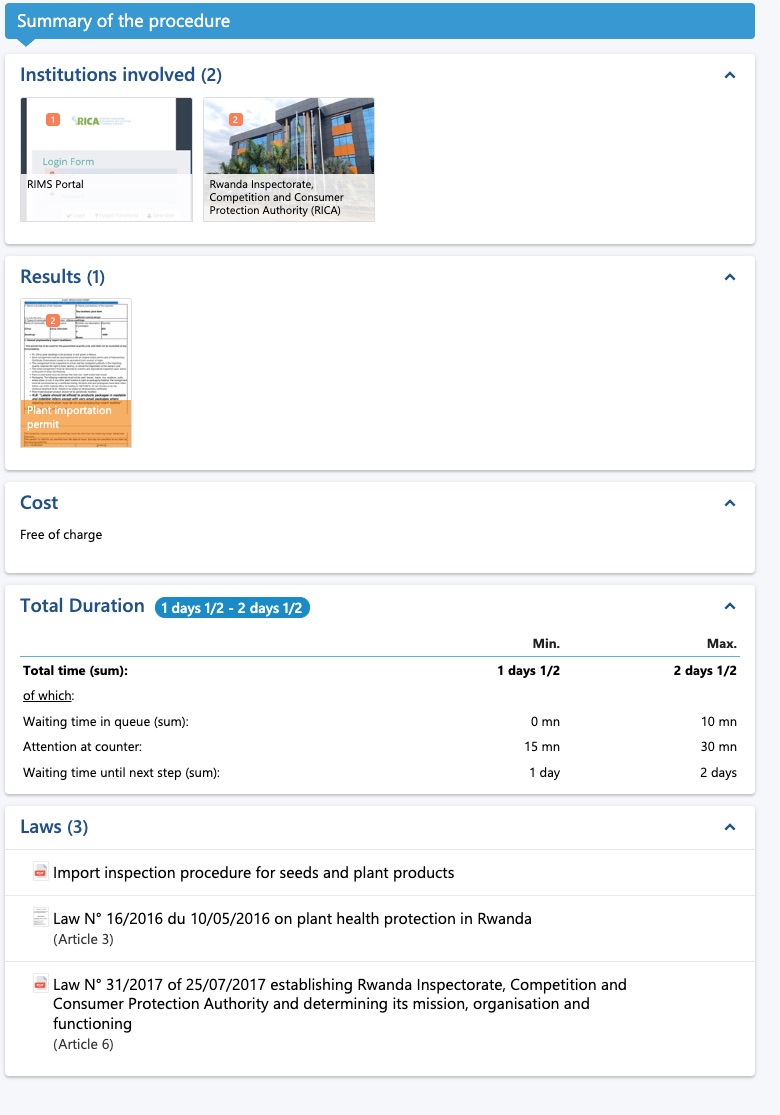
Rwanda’s Trade Portal, built on UNCTAD’s eRegulations system, shows each import, export and transit procedure step by step: office, documents, cost, time and legal basis. It covers trade, not zones. The same method documents zone procedures.
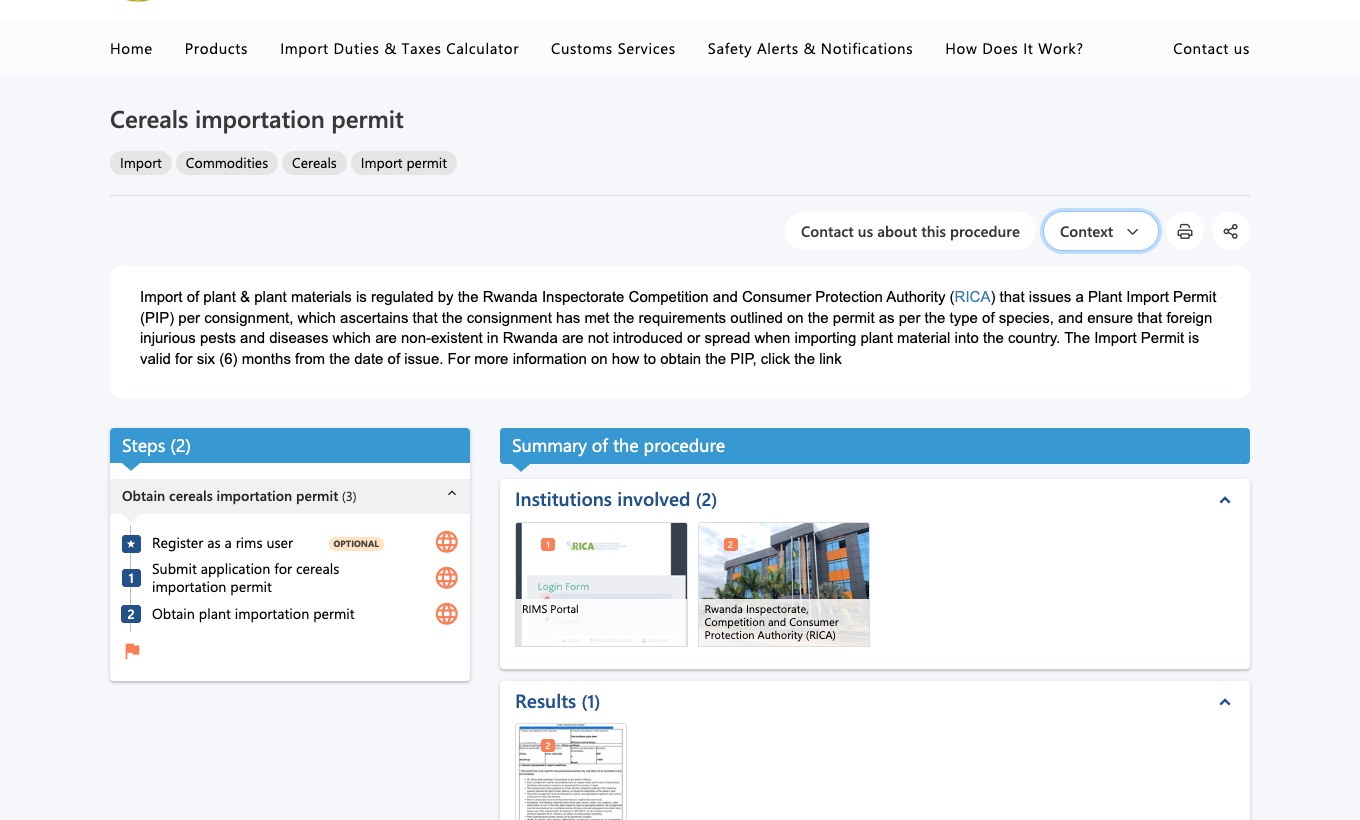
Source: rwandatrade.rw, managed by the Rwanda Revenue Authority.
2 Simplification
Once every step is visible, the offices concerned can see which steps the zone does not need. UNCTAD’s ten principles of administrative simplification guide that review, one step at a time. Most gains come from changing practice, not the law.
Source: UNCTAD Digital Government Programme, “How to simplify administrative procedures”, Digital Government Academy.
3 Online services
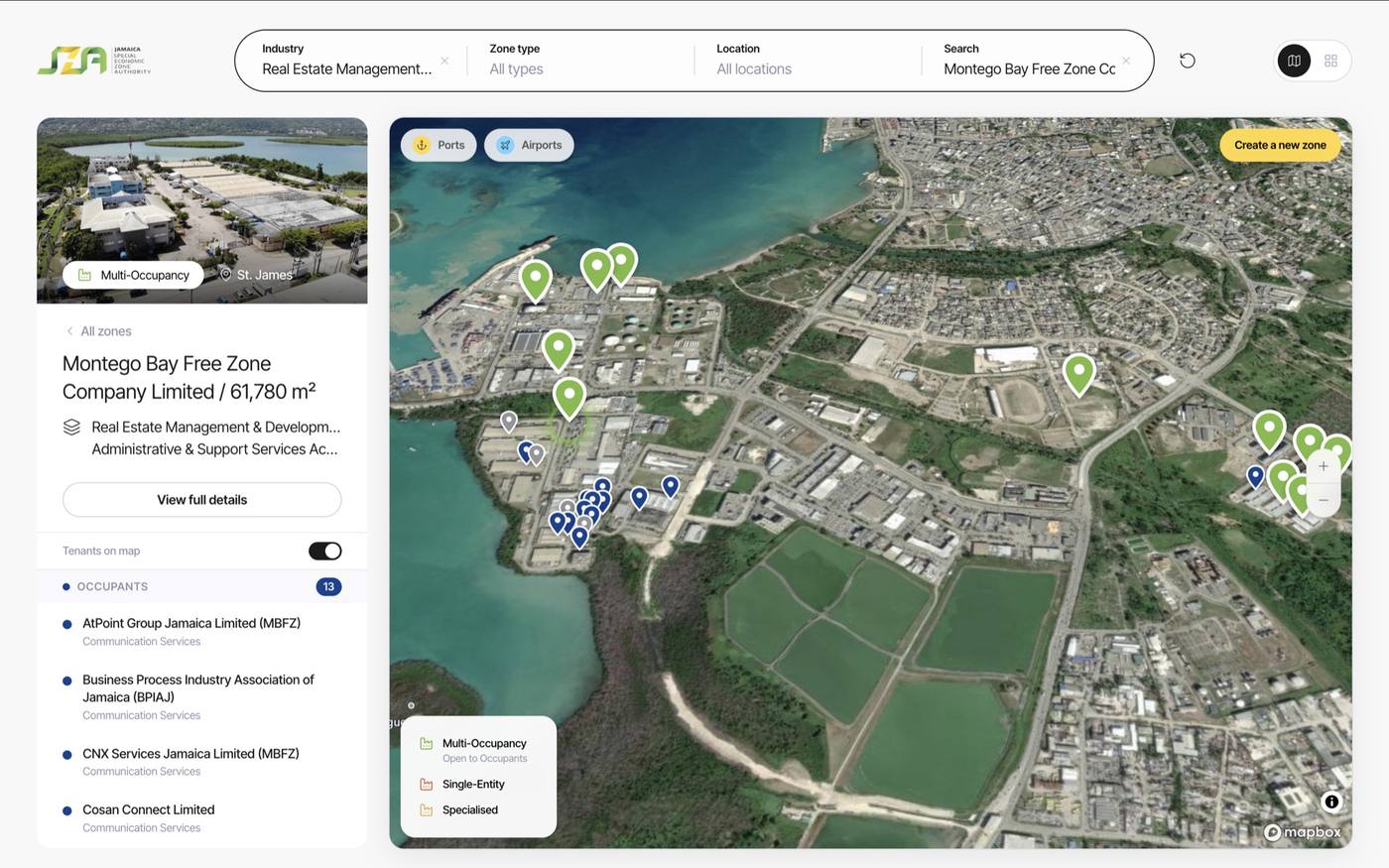
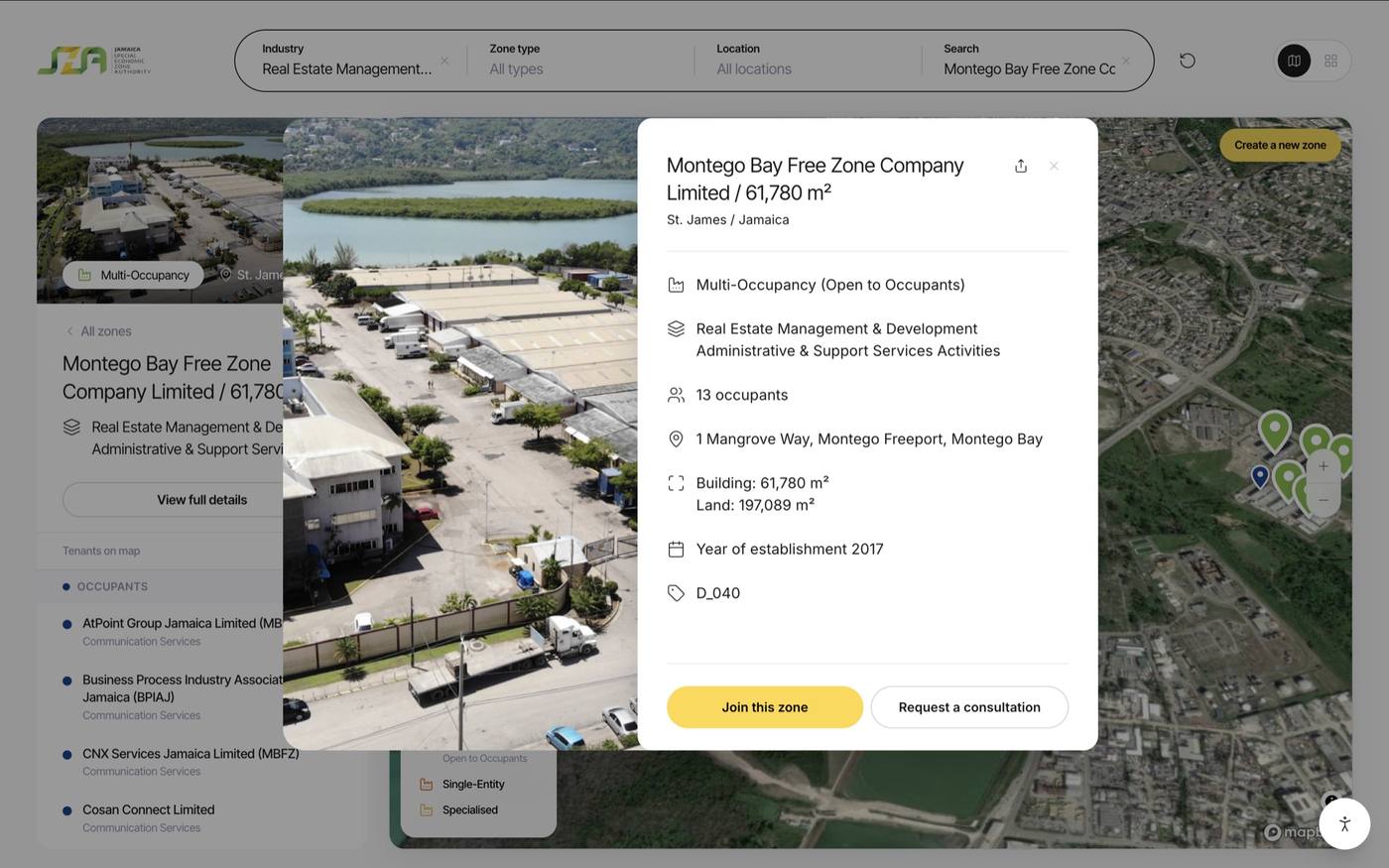
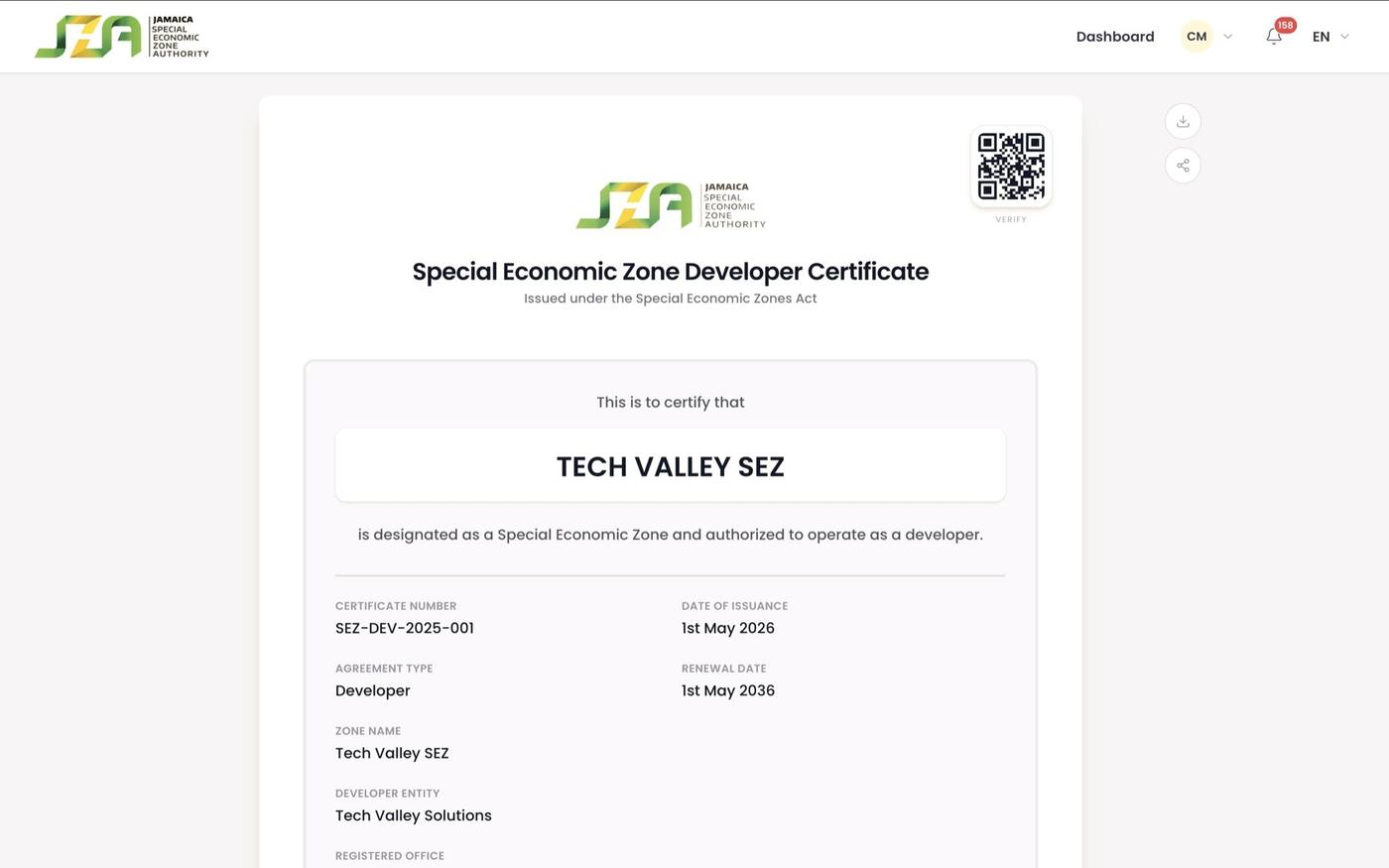
In June 2026, the Jamaica Special Economic Zone Authority launched an online platform for its zones, with UNCTAD support. The investor finds every zone on a map, applies through one entry point, and receives a certificate that anyone can verify.
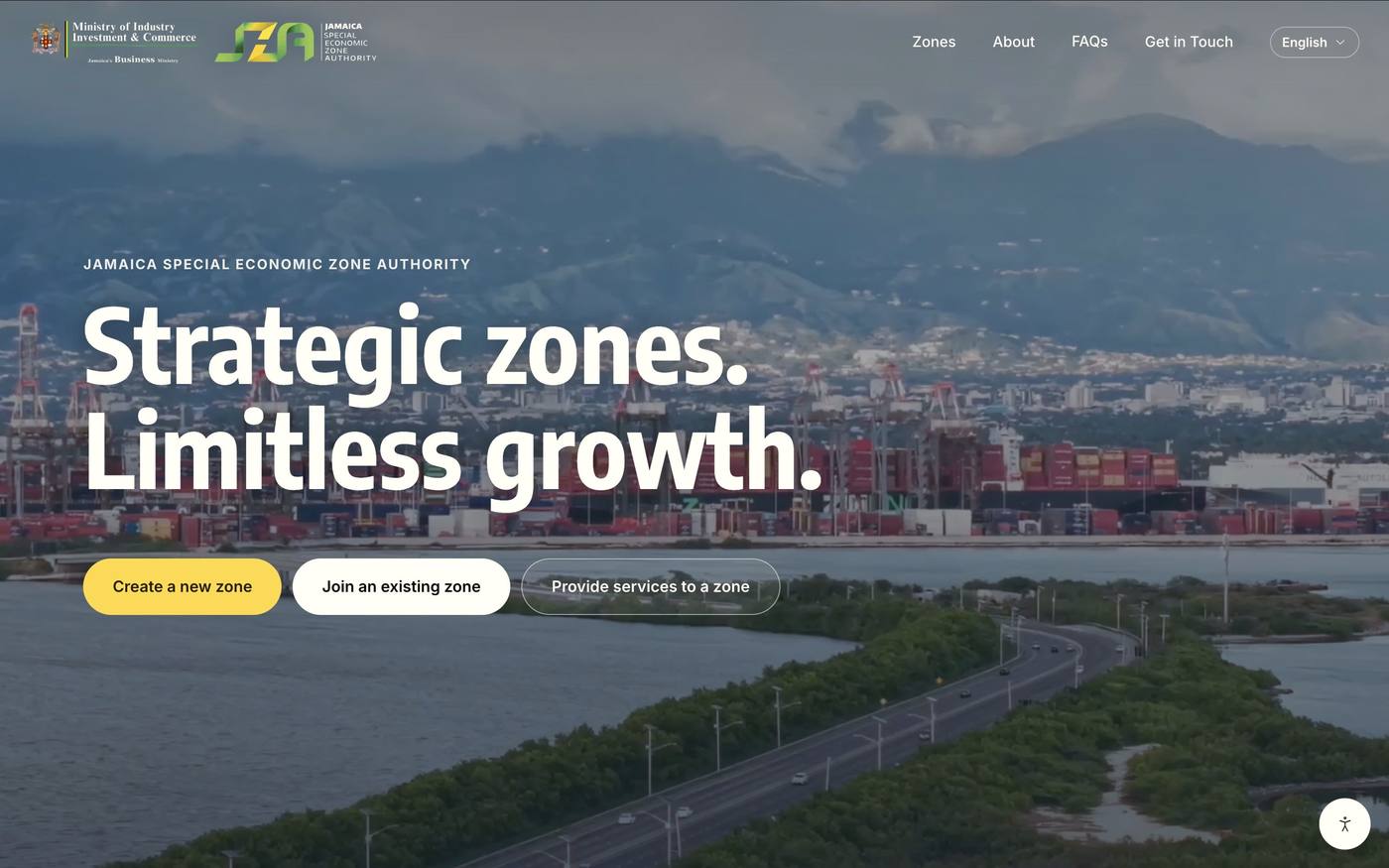
Source: Ministry of Industry, Investment and Commerce of Jamaica, 12 June 2026.
4 Zone rules
A zone rule is not only a procedure. It states what a company receives for coming to the zone, what it gives in return, and who checks that both sides hold. Written as conditions that can be checked, these commitments become enforceable. The result is not a screen: it is a short, clear rule.
Source: UNCTAD, “What the country offers and what it expects”, guidance for Central Asian zones.
Completing the questionnaire is voluntary and creates no commitment. Each response reflects the view of the entity that sends it, not a formal position of the Government of Saint Lucia. The responses will inform a short assessment report. If the authorities wish, it could lead to a concept note for technical assistance, subject to UNCTAD’s mandates and available resources. The findings go to the responsible authorities first and are not published without their consent.